
Despite Sub-Zero Temperatures, the Festival du Voyageur Carries On!
Dr. Roger W. Anderson, Independent Scholar
A February day when the temperatures held around -17 F was the perfect day to celebrate Métis culture and the Francophone heritage of Winnipeg, or “Peg City.” As the capital of Manitoba, Winnipeg is located at the heart of the North American continent. For this reason, its temperatures were the coldest of any North American city that day—except in the neighboring capitals of Regina (Saskatchewan) and Edmonton (Alberta).
Historical Overview
Winnipeg was founded at the forks of the Red (Rouge) and Assiniboine Rivers, granting indigenous people access to most of North America via canoe. This location also made an ideal meeting spot for various indigenous peoples. After European penetration into the continent, the site served as a refueling station for fur traders of the Hudson’s Bay and rival Northwest Companies.
Known as voyageurs (travelers) or coureurs de bois (woods-runners), these master canoeists were of French-Canadian origin. Their diet consisted primarily of easily transportable foodstuffs like corn, wild rice, dried maple resin, and pemmican (a mix of dried meat, rendered fat, and berries).
Unlike British colonists in Canada and the U.S., these voyageurs settled amongst and within the indigenous people. Ultimately, a cultural fusion emerged, today known as the Métis. It is this blending that is honored at the Festival du Voyageur each February in Winnipeg, now western Canada’s biggest Francophone cultural festival.
One Monday in mid-February, Manitobans honor the province’s founder and hero of Métis culture, Louis Riel. Born on the Red River in today’s Winnipeg, Riel led a rebellion against the government, declaring the creation of Manitoba for the Métis and indigenous people. Eventually, he was captured and hanged in Regina. Repatriated to Winnipeg, Riel was interred in the cemetery in the Francophone neighborhood of St. Boniface on the east bank of the Red River.
Festival Fun for All
The festival lasts nine days and features four music venues, each hosting acts that perform simultaneously. One can hear several types of music, including Indigenous and Francophone, as well as Celtic-inspired fiddle music unique to the Canadian Prairie provinces, and fusions thereof. Both contemporary and voyageur-inspired foods are available. All of this, as well as historical interpretation, takes place inside heated tents and rooms of the old wooden trading Fort Gibraltar.
Outside, visitors enjoy wintertime activities such as sledding, snowshoe treks, hockey, and a jaw-dropping ice sculpture competition. See Image 1.
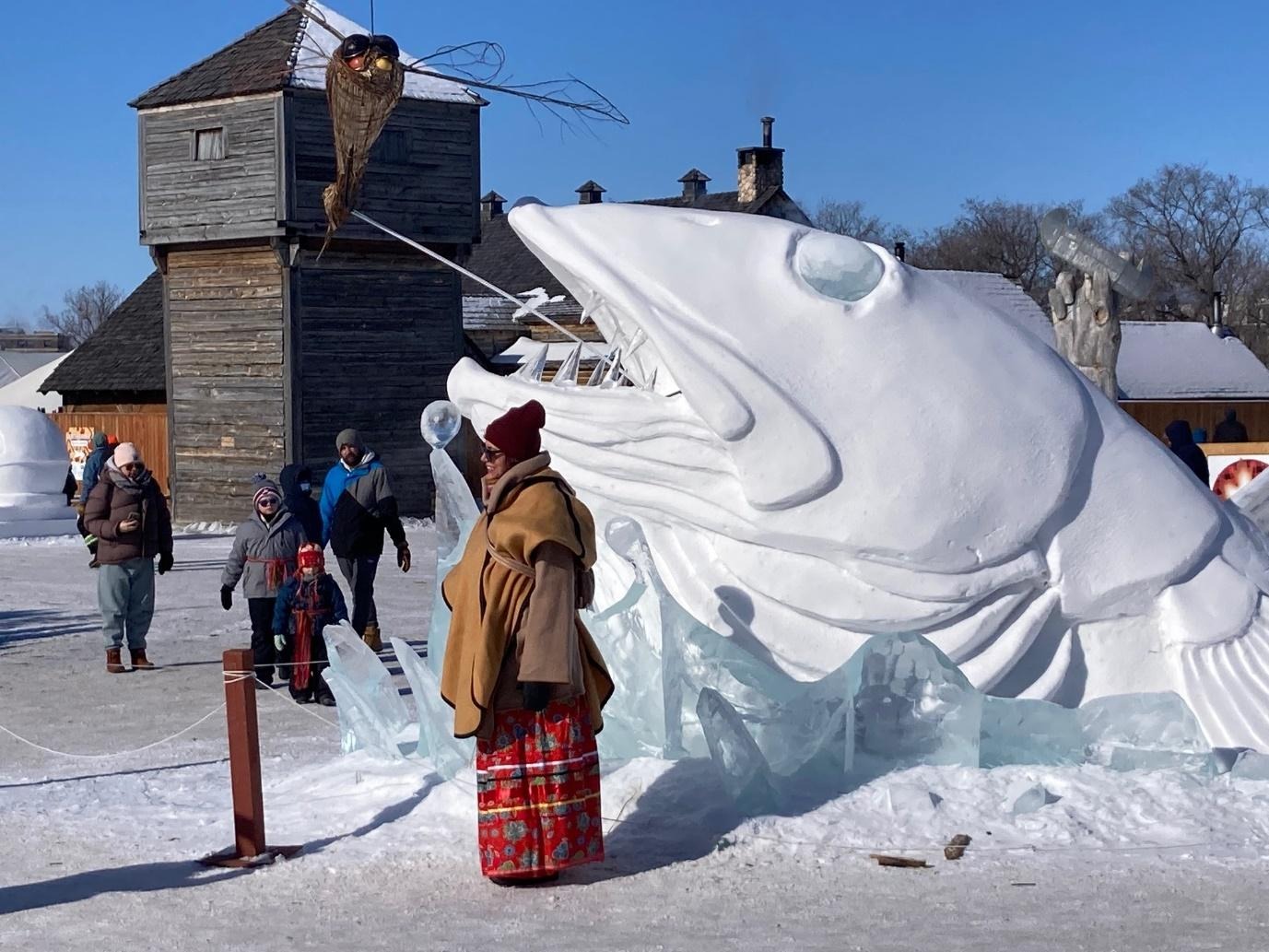
Image 1. Ice sculpture contest entry at the Festival du Voyageur; Fort Gibraltar in the background
Warming fire pits dot the park. Despite the extreme cold temperatures, these Manitobans prove the adage to be correct: “There is no such thing as cold weather, only inappropriate clothing.”
I was out of place—not wearing a red sash around my waist nor a long red stocking cap on my head. These garments, once worn by the voyageurs, now symbolize the Franco-Manitoban and Métis heritage. Men and women alike wore heavy felt garments whose style evoked a bygone era.
People of all races attended the festival. The symbolic red sash was available for purchase, along with handicrafts sold by Indigenous and Métis-owned businesses. It seemed all attendees, regardless of race or background, were welcome to become voyageurs.
Every performance was introduced in French. Not all performers, however, spoke/performed in French. As an American visitor, I sensed that some festivalgoers politely hesitated to speak to me in French. I suspect that because I speak a clearly France-accented French rather than Canadian-oriented French, my interlocutors would flip into English. It is well known that the French (e.g., in France) are notoriously protective and proud of their language, and thus have strong ideologies of correctness. I would not blame any Franco-Manitoban, any Franco-Canadian, for wanting to preserve their French or maintaining practices that limit with whom one speaks it. On this issue, I have much more reading to do.
Once-Forbidden Dances
For a period, indigenous Canadians were not allowed to practice traditional dances because White Canadians perceived them as warlike or uncivilized. Nor were they allowed to leave reservations and were patrolled regularly. The Red River Jig developed out of these constraints: it could be danced at home and, if glimpsed by a patrol outside the home, the dancers would appear merely as walking around the house normally. Furiously flying feet were disguised by arms remaining at one’s side. See Image 2.
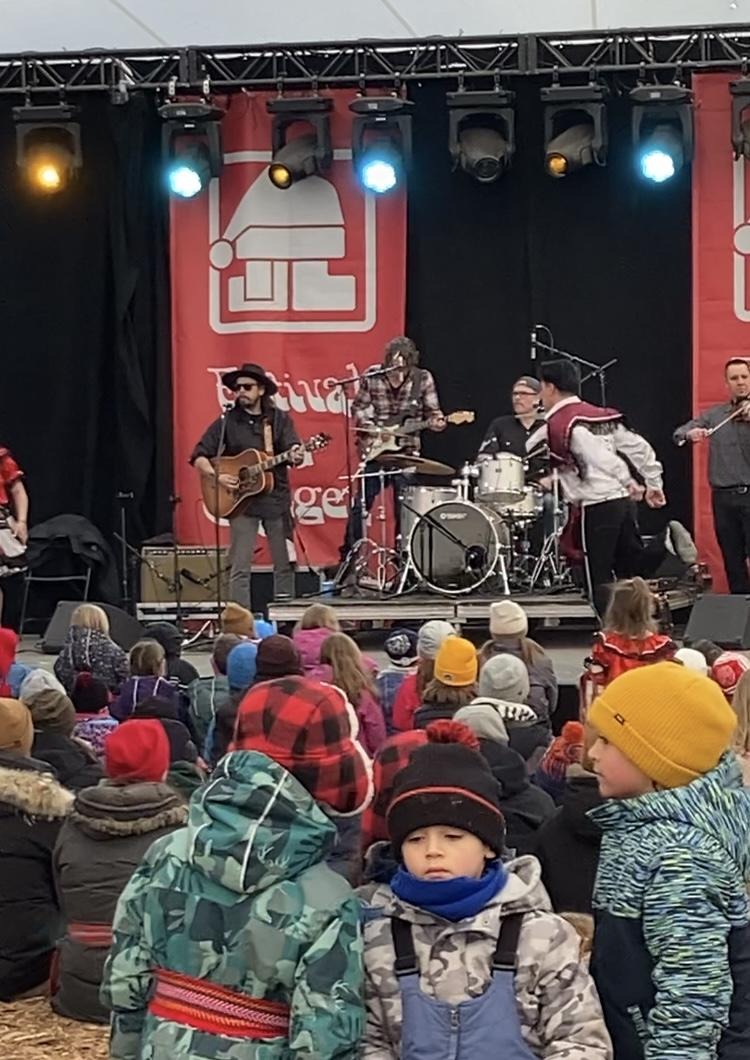
Image 2. The Red River Jig, performed by the award-winning Asham Stompers, a Manitoba-based Métis group
Additional Must Do’s in Winnipeg:
- The monumental Human Rights Museum (Musée des droits de la personne) traces the development of human rights and democracy from the earliest civilizations in China and Mesopotamia to today. Canadian legal perspectives on freedom and rights do not align perfectly with American notions, providing ample food for thought. Riding the elevator to the top floor offers the highest view of the city. The museum’s architecture blends modernity and brutalism (see Image 3). Its interior-lit marble balustrades on ramps between each of its eight floors make for incredible photos.
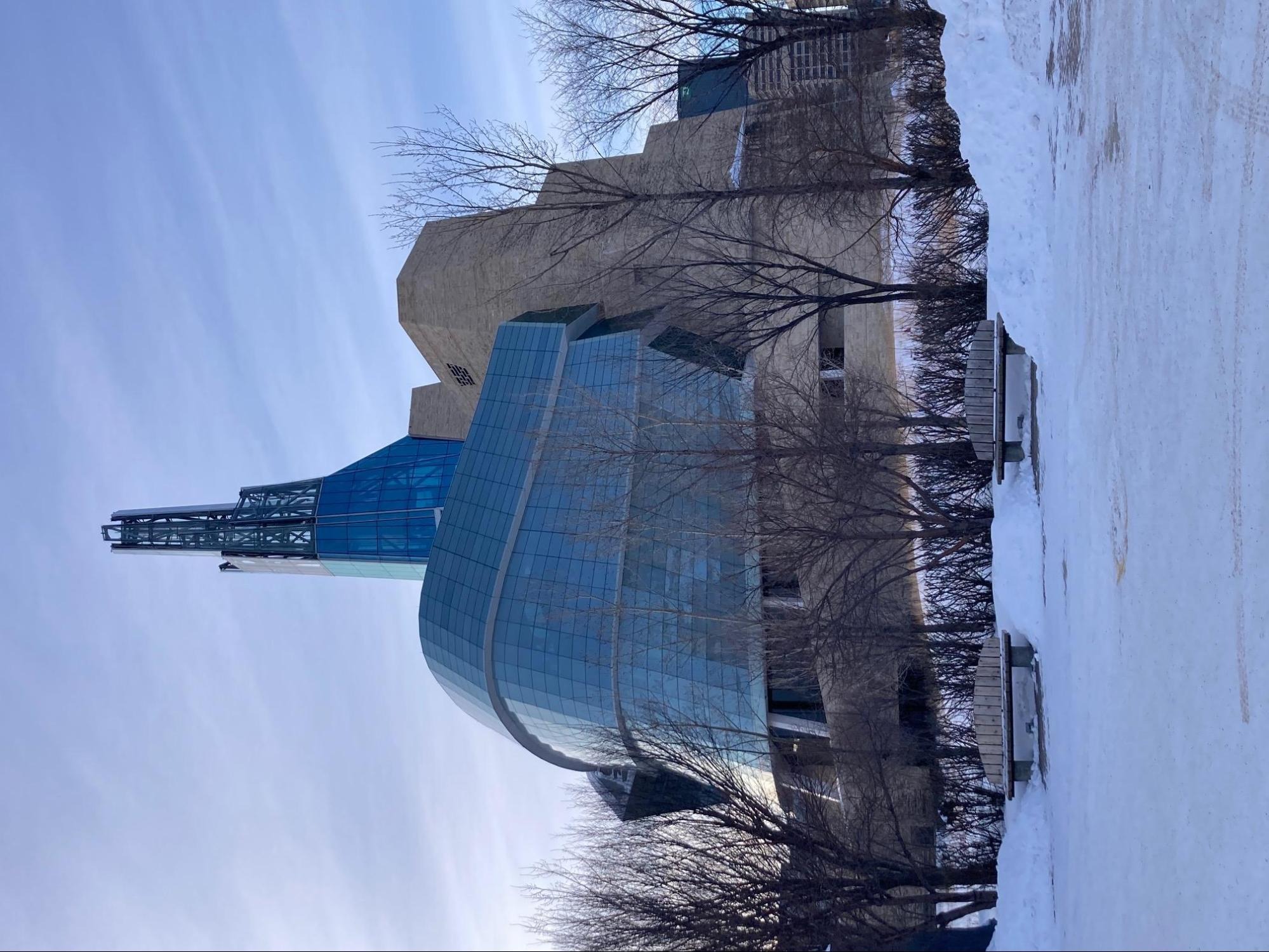
Image 3. Canadian Museum of Human Rights towering over Winnipeg
- The Manitoba Legislative Building is palatial, but only offers tours in non-Winter months.
- The Forks Center, located in a former factory, offers world cuisines at affordable prices. There, ice skates can be rented ($8 CAD for the day) to take advantage of the many kilometers of skating trails on the Red River. A fun experience only available in locations with constantly sub-zero temperatures. See Image 4.
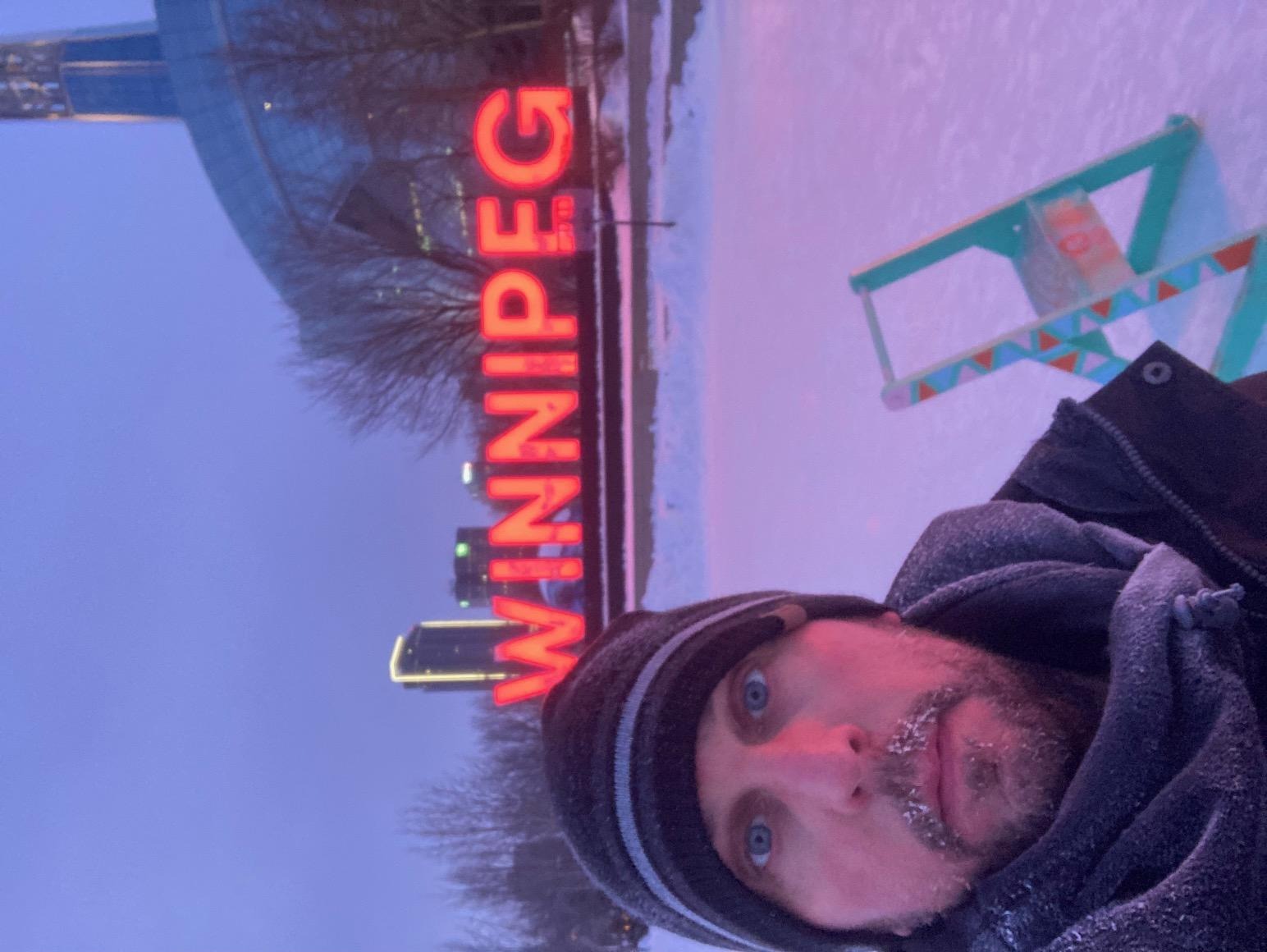
Image 4. Skating on the trail to the Winnipeg sign: DRESS WARM
- Two professional hockey teams (the Jets and the Moose), a Canadian Football Team (the Blue Bombers) and a minor-league baseball team (the Goldeyes) make the city great for sports fans
- Manitoba Museum focuses on local history, which I regretfully did not have time to visit
- For an unforgettable, Francophone adventure, head to Winnipeg mid-February. And don’t forget to pack 3-4 wool sweaters!
 The Cardinal