
Creating a Classroom Environment Where All Students Succeed
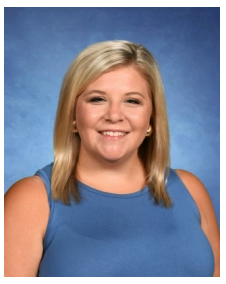
Alexis Blum, OWLA Professional Development Chair
Spanish Teacher, Wapakoneta High School
Welcome back, OWLA! I hope your school year is off to a great start.
One of the most important things for me at the beginning of the year is creating a positive and welcoming learning environment for my students. Feeling a sense of belonging is so important for our students to succeed. With a feeling of belonging comes a willingness to participate and a sense of security. As language teachers, we ask our students to do something very vulnerable every day: speak a language they are just learning! Here are some activities that I do in my classroom to build community and increase a sense of belonging:
1. Build laughter and joy early
Strong emotions build strong memories. I know my memories are built around strong feelings, such as intense joy or sadness. By adding laughter and joy into the classroom, we give our students something to look forward to, something that is worth coming back for. I love to introduce a short movie clip or short story that has a comedic ending, especially one that is easy to understand. When students laugh together, they begin to bridge the gaps in their social circles.
When we create a situation in which students build something together, we help them find something that they have in common. I love to do a “You Can Only Pick One” activity with my students, especially at the beginning of the year. For example, I will have on the board (in the target language), “You can only pick one: bread, pasta, or rice.” Or, I can pick something more serious: “Speaking, listening, or seeing.” This can spawn great conversations, laughter, and maybe even a little lighthearted debate. What I love about this activity is that students can participate at a level in which they are comfortable, and the results often surprise me!
2. Celebrate Success
By letting students participate at a level in which they feel comfortable, we offer them a space to feel less vulnerable. As language teachers, we know that we need to keep their affective filter managed so that they can learn language (Krashen, 1982). For some of our students, this participation looks like eye contact, nodding their head, and following you around the room. For others, this looks more like verbal responses and asking you to look over their work. I have found that each of my students seeks validation in different ways. I cannot force a student to respond if they are not ready. However, I can honor their willingness to nod their head or give a verbal answer. Praising their work, no matter how big or small, is crucial to creating a classroom environment that recognizes the success of all students.
3. Low stress assessments
We all understand the feeling of not being prepared for a test, a project, an observation, and more. It is a natural part of life. At the beginning of the year in my language classroom, I don’t want students to panic and feel that they don’t know enough. I want them to feel like they are capable and ready to perform a task.
In all of the levels I teach, I am very clear about what my expectations are. We take practice reading assessments, and I tell my students what the difference is between a Novice High answer and an Intermediate Low. I tell them what I am looking for, and we discuss the merits of each proficiency level. I take the time to explain the proficiency levels to my students and give them the chance to practice with no penalties. I truly believe this makes a difference in their performance on reading, writing, listening, and even speaking assessments. My students see the value in the practice, and therefore are not as anxious about the assessments. Not only does this ease their own anxiety, but it also gives them a sense of relief to see what they are capable of! This builds their confidence and gives them a sense of accomplishment.
As I stated before, these feelings of accomplishment and joy make our classrooms a space where students WANT to be. And truly, what is better than that?
Have a happy and healthy fall!
 The Cardinal