Cooperative Interviews with Current Events in the Spanish Classroom
Renée Galvis, Spanish Educator–Dept. Chair, Tree of Life Christian Schools
In the past few weeks, my students have been deeply engaged in studying recent events in Venezuela. What stood out most was not only how much language they acquired, but how willingly and enthusiastically they worked together to do it. This sequence of activities combined current events, comprehensible input, and cooperative speaking in a way that felt meaningful, joyful, and doable—even within short class periods.
Many world language teachers are familiar with El Mundo en Tus Manos. For this unit, I used the special edition article “EE. UU. captura a Maduro,” which is currently free of charge on ComprehensibleClassroom.com.
Step 1: Reading with Purpose
We began by reading the article together in class. Students read it at least twice over the course of two days. After the second reading, I provided a level-appropriate reading guide to help them process what they understood and notice what they did not yet understand.
The guide asked students to:
- Write a sentence stating the main idea.
- Identify two important people mentioned in the article and who they are.
- Note where and when the events occurred.
- Write 1–2 sentences with more detail about what happened.
- Identify 3–5 new or key words that stood out to them.
- Finish with:
- One statement about what they understood.
- One statement or question about what they did not yet understand.
This structure kept the task accessible while reinforcing comprehension strategies that students can use independently.
Step 2: Writing to Prepare for Speaking
The next day, students completed a journal entry that mirrored the content of the article and prepared them for interpersonal speaking. Here’s an example prompt used with my Spanish 2 students:
¿Qué pasó en Venezuela según los artículos? ¿Qué anunció Estados Unidos? ¿Qué dijo o cómo respondió el gobierno venezolano? En tu opinión, ¿por qué este evento fue importante? Usa las palabras siguientes: pasó, anunció, dijo, respondió, fue.
This step was essential. Before students ever spoke to one another, they had already read, reread, and written with the same high-frequency verbs. The language was familiar, meaningful, and ready to be used.
Step 3: From Input to Interaction — The Interviews
Now came the most engaging phase: listening and speaking through contextualized repetition.
We reviewed two key communication strategies:
- Adjusting our message if it isn’t understood.
- Helping our classmates with “corrections” so that each repetition becomes clearer and stronger.
How it worked:
- Students began with their current chat partner.
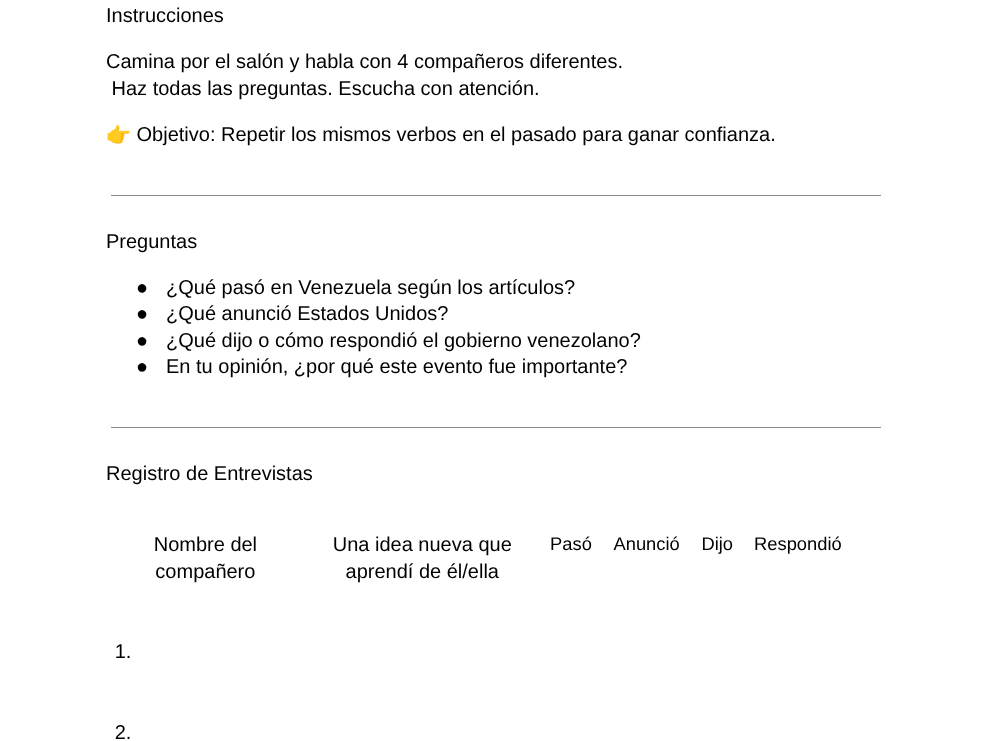
- They interviewed their partner using the same guiding questions from the journal.
- The listening partner tallied how many times they heard each target verb.
- Each listening guide included:
- The partner’s name.
- One to two keywords about something new learned.
- Tally columns for each target verb.
- Space to note an important idea heard during the four interviews.
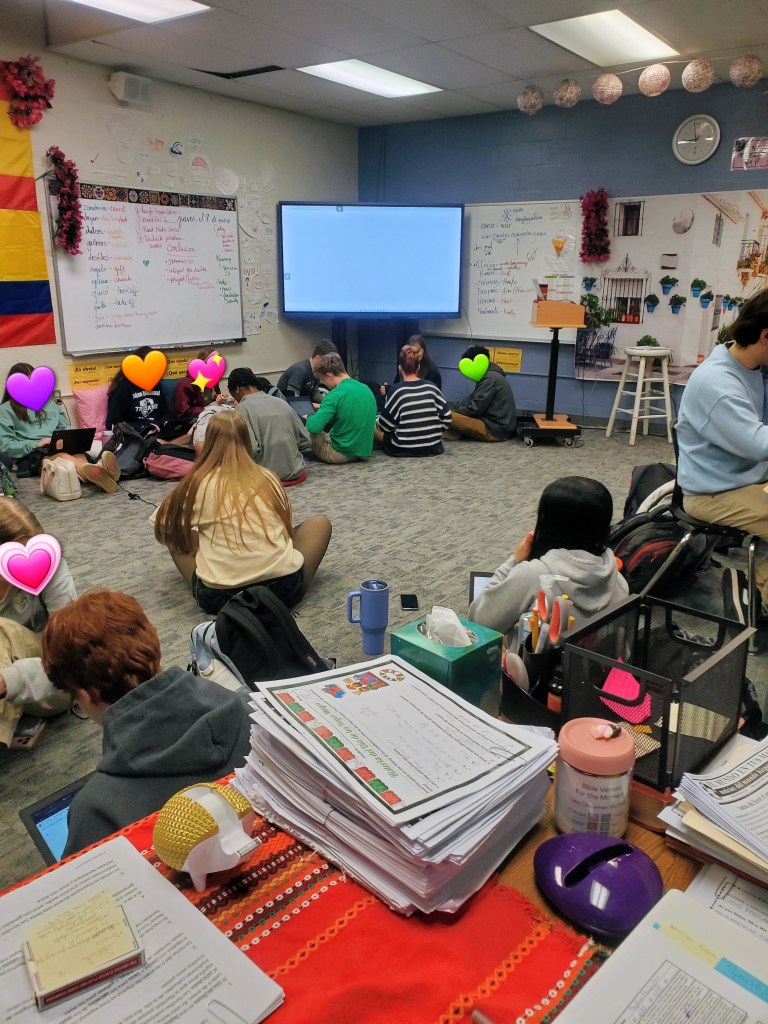
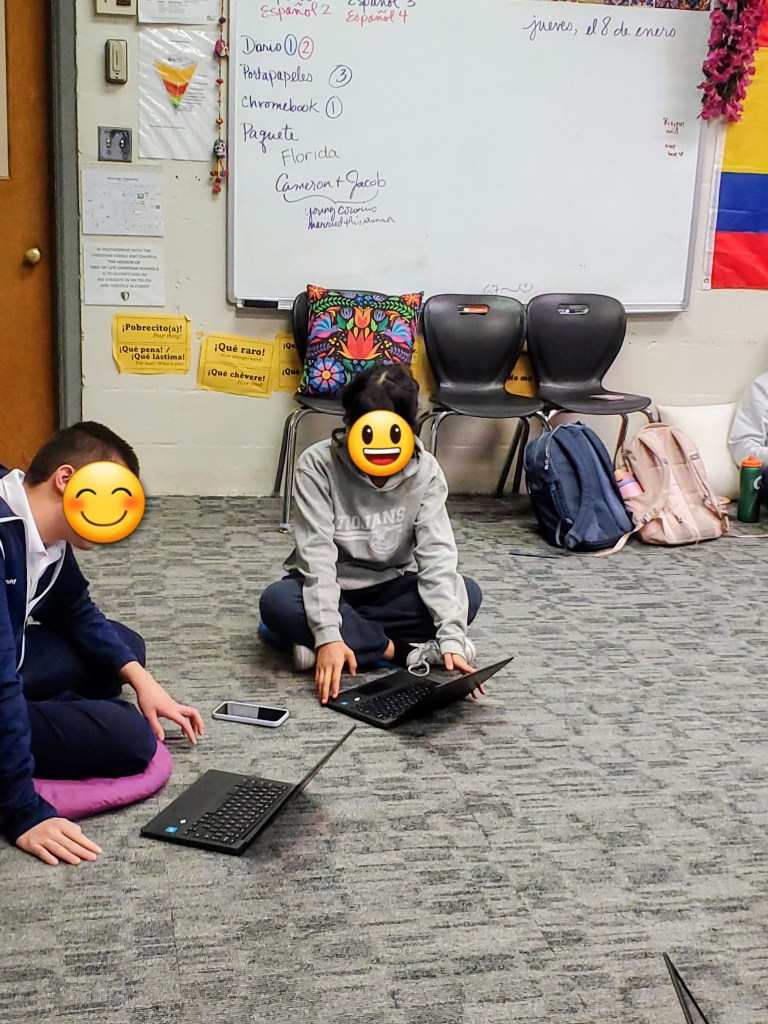
Over two class periods, students interviewed four different classmates. Spanish was the goal throughout, and students were encouraged to help each other clarify and improve their message with each round.
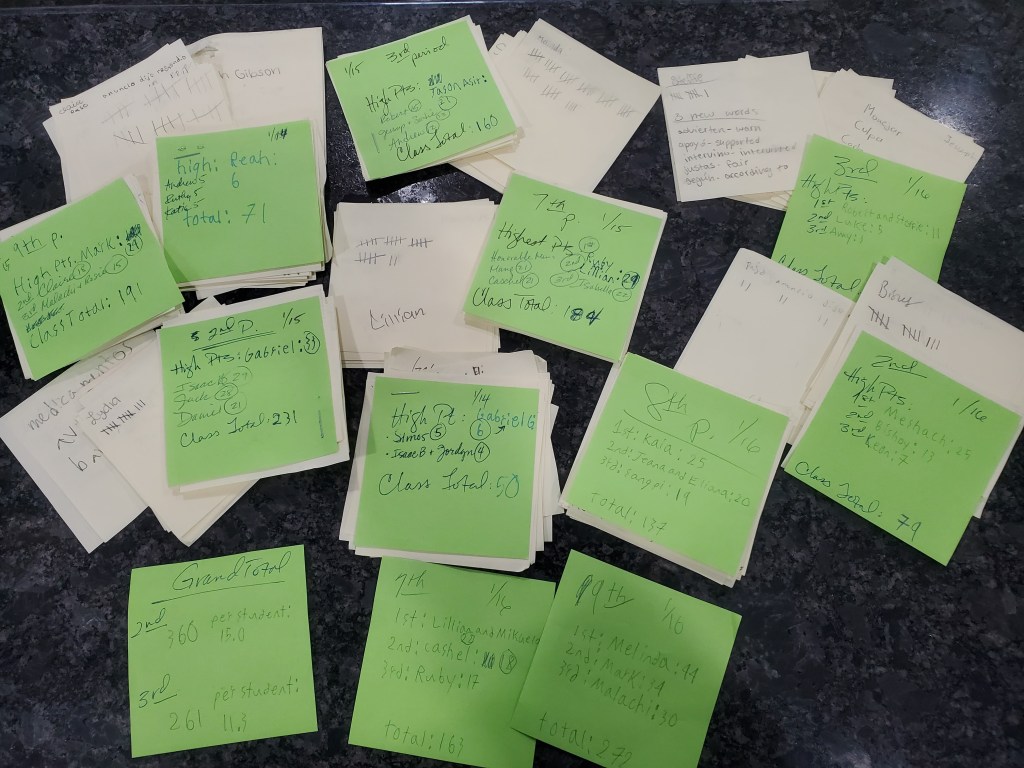
At the start of class, each student received a Post-it note. Their job was to keep a personal running total of all their spoken repetitions (with help from their listening partner). At the end of class, they added their name and turned it in as their exit ticket.
Step 4: Competition Meets Cooperation
On Day 2, I wanted to raise the energy while keeping the focus on collaboration.
I rewarded the top three individual tally scorers with ¡Chileros!, and the class celebrated each other with applause. Then came the twist: I revealed each class’s total number of repetitions and announced that classes were competing against one another for a whole-class reward!
The room immediately shifted. Students began helping each other add extra sentences, suggesting ways to naturally include the target verbs, and celebrating when partners pushed themselves to say more. The creativity and enthusiasm were incredible—and honestly hilarious at times!
The Results
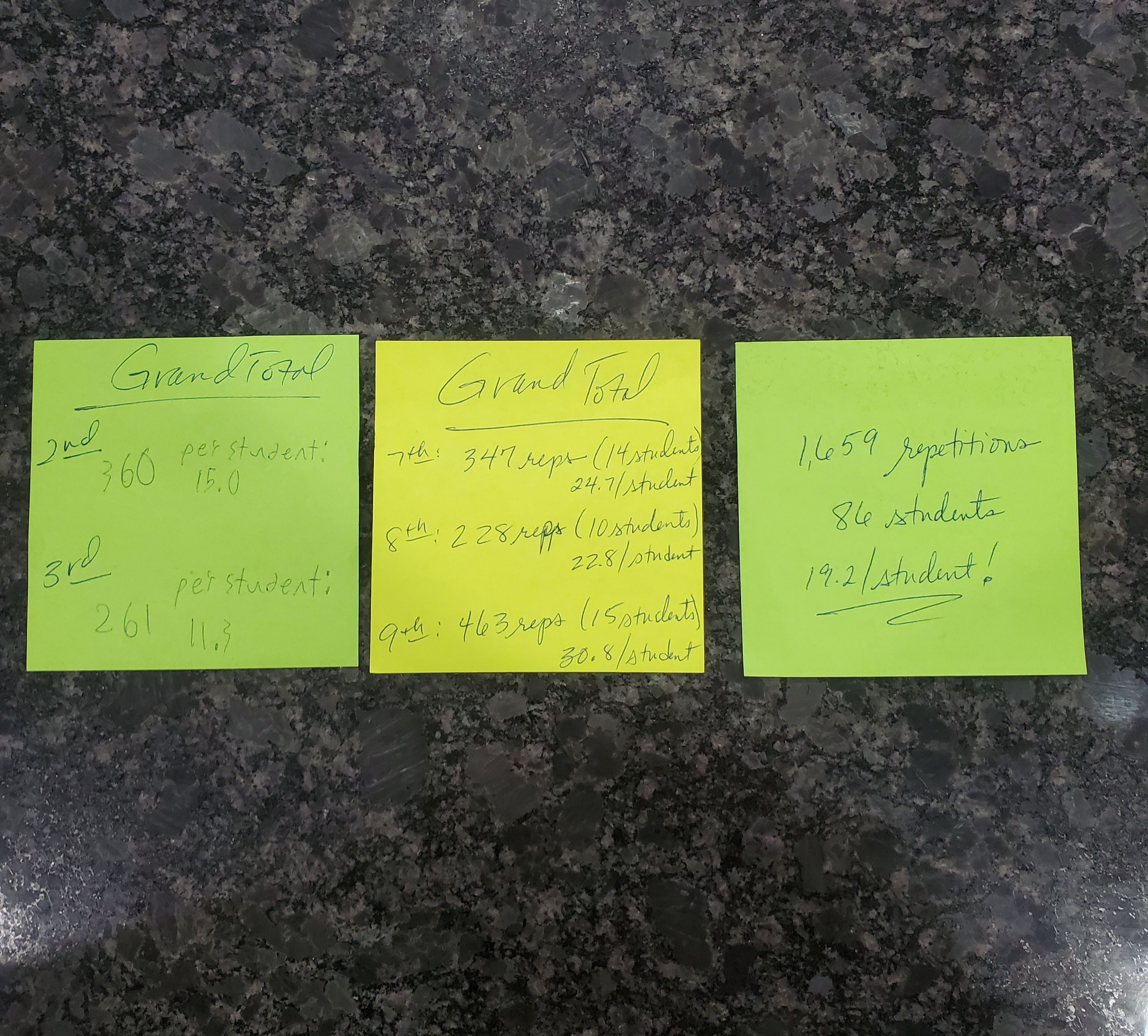
Across five classes and 86 students, my students generated an astonishing 1,659 meaningful repetitions of key verbs—1,659 spoken and 1,659 heard—in just two days!
Even more important than the number was how it happened:
- Students listened attentively to one another.
- They negotiated meaning.
- They supported each other.
- They took ownership of their language growth.
This experience was a powerful reminder that engagement, repetition, and community are not separate goals. When thoughtfully designed, they reinforce one another beautifully.
If you’re looking for a way to bring current events, communicative practice, and cooperative energy into your classroom, this sequence is adaptable across levels and time frames—and your students may surprise you with just how much language they’re ready to use!
 The Cardinal